
World Mental Health Day 2026

Cricket often brings people together. This World Mental Health Day, we’re encouraging our cricket community to use those connections to listen, support one another and make sure nobody feels they have to struggle alone.
World Mental Health Day takes place on 10th October. This year, the World Health Organisation’s campaign, “Lived experiences heard: real voices, real change”, highlights the importance of involving people with personal experience of mental health conditions in the decisions that affect them. Their experiences deserve to be heard, valued and acted upon.
For Cricket Shropshire, this is an opportunity to think about the environment we create across our clubs, teams and programmes and how we can help everyone feel welcome, supported and able to speak openly and share thoughts on how to improve the way we do things.
The Person Behind the Player – Behind every scorecard is a person with a life beyond cricket.
Players, coaches, officials, volunteers and parents may be managing pressures that others cannot see. Work, school, relationships, bereavement and caring responsibilities can all come into the dressing room with us. Someone may appear confident on the pitch while finding things difficult elsewhere. Equally, a disappointing performance does not tell us everything about how someone is feeling. Taking the time to ask, rather than assume, matters.
England cricketer Kate Cross has previously spoken openly about seeking support for anxiety:
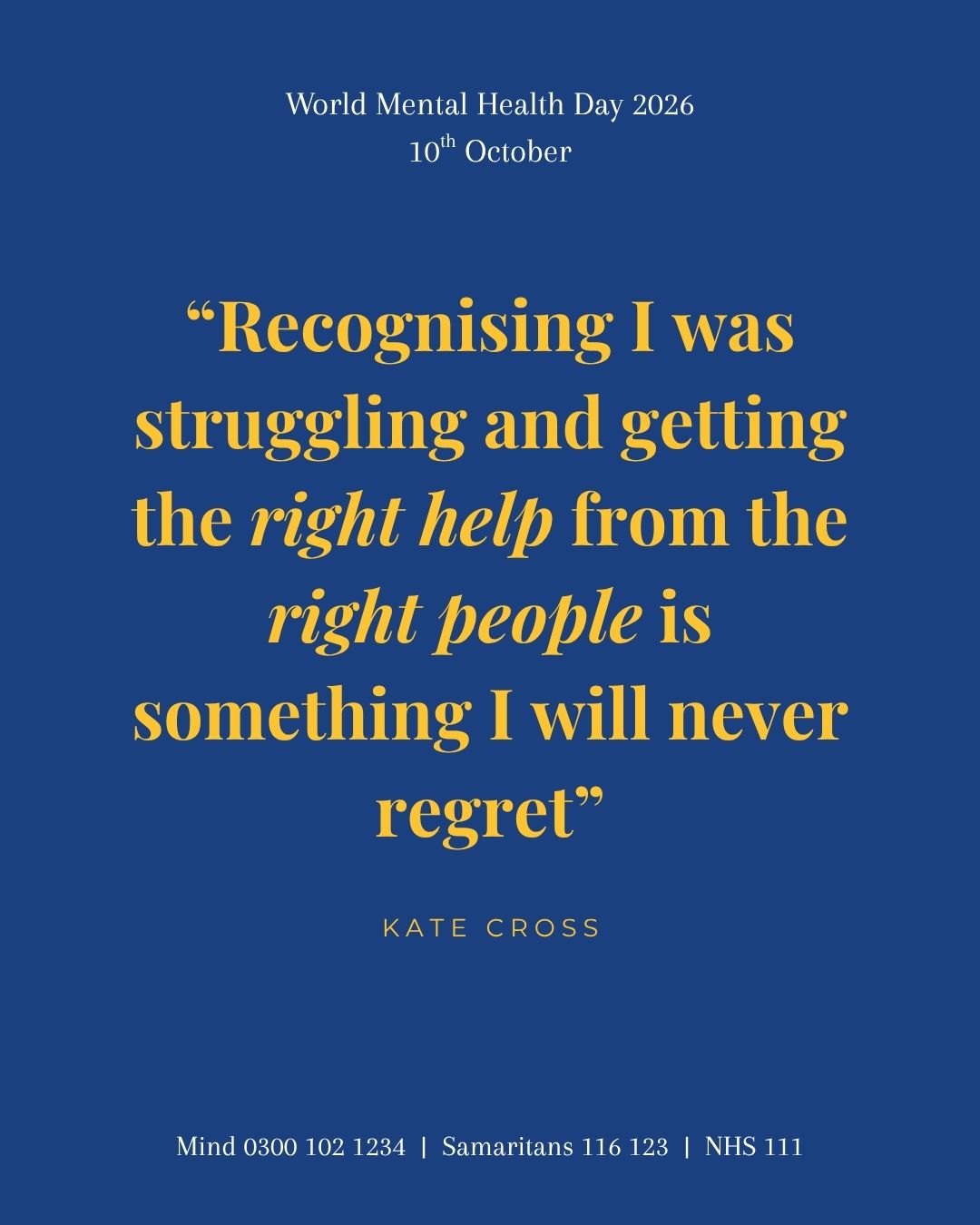
“Recognising I was struggling and getting the right help from the right people is something I will never regret.”
Her words offer an important reminder: reaching out for help is something we should support and respect.
A Supportive Cricket Community – Our clubs can be places where people find friendship, routine and a sense of belonging.
We want cricket across Shropshire to be an environment where people feel valued and heard whatever their role, ability or performance.
That means thinking about how we speak to one another, the expectations we place on young players and the way we respond when someone is having a difficult time. It also means recognising that the people who give their time to support others may need support themselves.
Listening and Taking Action – This year’s campaign asks us to go beyond simply hearing someone’s story.
Within cricket, that could mean asking players and volunteers what helps them feel supported, giving people a say in their club environment and being willing to change something when they tell us what isn’t working.
Nobody should feel pressured to share personal experiences publicly. Providing a private opportunity to talk, and listening without judgement, can be a valuable starting point.
There are practical steps we can all take:
- Check in with someone. Make time to ask how they are and give them space to answer.
- Listen without trying to fix everything. You do not need to have all the answers to show that you care.
- Keep people included. Continue to offer a welcome if someone takes a break from playing or volunteering.
- Think about your words. Help create a culture where asking for support is respected.
- Help people find support. A teammate or coach can listen, while professional services can offer further help.
Cricket can provide connection and encouragement, but it should never replace professional support when that is needed.
This World Mental Health Day, we’re asking everyone in the Shropshire cricket community to make time for one another and to carry that care into the weeks and months ahead.
Check in with a teammate. Listen to a volunteer. Make room for a conversation. Looking after each other is part of being a team.
Support Is Available – If you are struggling, you do not have to face it alone.
Samaritans — call 116 123
Free emotional support, available 24 hours a day, seven days a week.
Shout — text SHOUT to 85258
Free, confidential text support, available 24/7 if you are struggling to cope.
NHS — call 111 and select the mental health option
For urgent mental health support in England. You can also speak to your GP about your mental health.
If you or someone else is in immediate danger, call 999 or go to A&E